


View Products View Hurricane Resources View Storymaps View NOAA Resources View Videos View Data-Driven Impacts
NOAA's environmental data and information references enhance supply chain resilience, protect economic investments, and safeguard personnel.
As the largest private sector employer in the U.S. economy (representing 6.4 percent of the country’s gross domestic product in 2023), the retail sector has significant demand for timely and relevant weather data to inform its strategy, plans, and operations.

Since 2021, NOAA has been working with the Retail Industry Leaders Association (RILA) and others to identify the data, products, and services the industry relies on. NOAA and RILA are partnering to build useful and user-friendly data products that equip retailers of all sizes with robust and reliable supply chains and assets to build environmental and economic resilience.
Our Goal
By improving the access to and functionality of informational products and services, NOAA is advancing retailers’ capacity to strategically manage supply chains, protect assets, and maximize efficiencies in an effort to build more resilient businesses and strengthen the economy.
Delivering Resilience: NOAA for Retailers
Retailers use NOAA data to anticipate weather- and climate-related disruptions, protect inventory and physical assets, optimize supply chains, and support workforce and customer safety. NOAA is engaging directly with retail industry leaders, planners, and operators to improve data products and services. These resources support informed decision making to maintain business continuity, protect investments, and reduce losses through the use of environmental data.
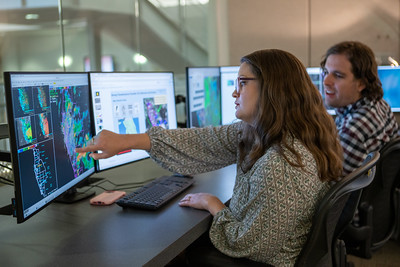
Data-Driven Impacts for Retail
The retail sector utilizes NOAA data and information products that offer regionally relevant historical and future-facing weather intelligence and real-time hazard tracking to inform crucial strategic planning and operational decisions.
Using NOAA data, retailers can identify new site locations, streamline shipping paths, and manage inventory by predicting consumers’ needs based on weather trends and patterns. With accurate information readily available, businesses and organizations of all sizes can better anticipate and rapidly respond to extreme weather events by delivering critical goods to communities and businesses, securing warehouses and distribution facilities, protecting personnel, and developing economically smart business plans for future growth.
"This is about the livelihoods of homes, communities, schools, and hospitals, and ensuring those supply materials are readily available. It’s about using data to understand our changing environment; it’s about preparedness to support the thriving economy of our communities."
Jenny Dissen
NOAA CISESS / NCSU North Carolina Institute for Climate Studies (NCICS)
Through regular working group meetings, the National Centers for Environmental Information (NCEI) is working collaboratively with retailers to prioritize the development of new and updated data products, improve data accessibility, and ensure industry partners can easily find and use the information they need. This webpage is a curation of key datasets and products identified by retailers, including:
An updated and comprehensive Storm Events Database interface and a high-impact Event Footprint Catalog (new product in development) to help retailers categorize trends and improve strategic planning by anticipating impacts of extreme weather on specific regions and disruptions to supply chains.
New products in development that support decision making for long-term success include an in-depth Climate Atlas which offers customizable climatological maps that can support retailers with seasonal stock planning and inventory management, and the Wind Climatology tool that will provide retailers with insights to strategically plan for wind and possible wildfire conditions to protect their assets and personnel.
A curated selection of Hurricane Data Resources and Products, including ADT-HURSAT, a dataset of storm intensity estimates with use-case examples (building off the existing HURSAT dataset), and the IBTrACS product that visualizes regional trends and historical information.
These products, as well as Case Studies that share examples of users effectively using weather data, can assist the retail industry in numerous ways, from long-term strategic sales planning to on-the-ground decision making to prepare for both acute and long-term weather events and mitigate effects on the supply chains, their assets, their employees, and their communities.
Products


NOAA Resources
- 5th National Climate Assessment
- National Hurricane Center
- NOAA Open Data Dissemination (NODD)
- National Ocean Service Hydrographic Survey & Tools
- National Weather Service
- Sea Level Rise Viewer
- Fisheries Economics of the United States: Data and Visualizations
- Monthly State of the Climate Reports
- Climate at a Glance Tool
- Climate.gov: Global Climate Dashboard
- Heat.gov
- Drought.gov
NOAA Industry Partnerships' Flood Data in Action: Retailers Using Flood Data for Risk Management
Featuring perspectives from industry leaders, this webinar highlights how flood and other environmental data can be integrated into risk assessment, geospatial analysis, and operational workflows.
Hurricane and Data Related Products
- ADT-HURSAT
- Hurricane Satellite Data (HURSAT)
- International Best Track Archive for Climate Stewardship (IBTRACS)
- Storm Events Database (SED)
NOAA Hurricane Resources
- National Hurricane Center - Hurricane Forecast
- NHC Public Advisories
- NESDIS Live Hurricane Tracker
- NOS Historical Hurricane Tracks
- NHC Tropical Cyclone Advisory Archive
- Billion Dollar Weather and Climate Disasters (BDD)
Hurricane Preparedness
NOAA Industry Partnerships' 2026 Hurricane Outlook Webinar
NOAA experts from the National Weather Service’s National Hurricane Center and Climate Prediction Center share the latest seasonal outlook, updates on hurricane products and services, and resources to help organizations prepare for potential impacts.
Story Maps
- Alaska’s Emerald Isle And the Changing Seas Around It
- Built for the Future: NOAA's Role in Resilient Infrastructure Design
- Cordova, Alaska: Extreme Precipitation Meets Historic Infrastructure
- Derechos Unmasked
- Extreme Precipitation in the U.S.
- Seward, Alaska: Alluvial Floods in an Alaskan Port City
- Supply Chains & Damage Claims: Hurricanes and Their Impact
- The Great Texas Freeze: February 2021
- The Storm Data Journey: How Storm Events Enter the Database
- We May Not Be in Kansas Anymore: May 2024 Severe Weather Becomes a $20 Billion-Dollar Disaster
- Weathering the Seasons: NOAA Data for Retail Resilience
- When It Rains, It Pours: Extreme Precipitation in the U.S.


