


View Products View Storymaps View NOAA Resources
Leveraging NOAA's environmental data improves risk modeling and analysis for the insurance sector, supporting faster recovery from extreme events and informing decision making surrounding insurance pricing and individual risk.

NOAA data validates property insurance claims across the country. Insurance and reinsurance companies need this data to be easily accessible and high-quality to protect the lives, livelihoods, and assets of millions of Americans. While insurance companies help protect individuals and businesses from loss, reinsurance companies help protect insurers from loss and ensure their financial solvency, so they can continue to offer coverage and pay out claims.
The insurance and reinsurance industry provides vital financial support for communities recovering from extreme weather events. These events have a significant economic impact: from 2017 to 2024, there were over $1 trillion in total direct losses from extreme weather and climate events in the United States. The industry is valued at billions of dollars each year, making it one of the largest industries in the U.S., significantly contributing to the nation's GDP. However, with the increase in extreme weather events, insurers are facing challenges at an unprecedented scale and require new and improved methods to identify and manage their climate risk.
Building on years of previous engagement, NOAA has partnered with the Reinsurance Association of America (RAA) to better understand the climate and weather information needs of the industry and help inform day-to-day decision making and operations, ensuring industry resiliency in the coming decades.
Our Goal
By providing access to the most accurate and up-to-date environmental information and tailored data and products, the National Centers for Environmental Information (NCEI) is supporting insurers’ efforts to improve their catastrophe modeling and analysis to inform pricing, evaluate claims, and support rapid recovery in communities after extreme weather events.
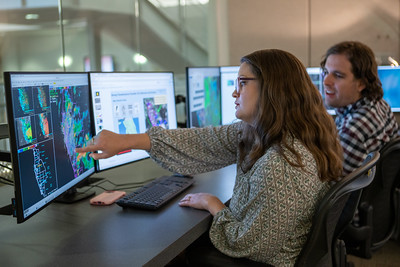
Data-Driven Impacts for Insurance and Reinsurance
Insurance and reinsurance companies need accessible, downscaled, and contextualized climate and weather information to better understand and mitigate risk and inform their catastrophe models.
Insurance companies price their premiums using computer models called catastrophe models–simulations that develop estimates based on the cost of potential disasters. As the number of extreme weather events increases year over year and the frequency of disasters totaling $1 billion or more has been rising, catastrophe models need to account for this change by incorporating the most accurate and up-to-date weather, climate, and population data.
Through regular working group meetings and other industry discussions, users have shared the following areas where they need additional data and products to understand how risk is evolving and support informed decision-making and operations:
A new Event Footprint Catalog with interactive spatial maps to define the physical impact areas of current and future evolving weather and climate hazards in the U.S. to better understand financial risk.
An updated Storm Events Database product with interactive maps, event-specific details, and automated reporting to aid in assessing risk to regions, evaluating trends over time, and expediting the validation of insurance claims.
Climatologies (climate studies that summarize long-term weather patterns, averages, and trends in a region) of hail and wind, including information on derechos and straight-line winds and their geographic footprint, to help process claims.
Through NOAA products and services, the insurance and reinsurance sector will be equipped with the data and tools needed to improve their catastrophe modeling and risk evaluation. A more accurate catastrophe model enables insurance companies to quickly assess and process damage claims following a disaster, supporting rapid recovery in communities. Better informed models also help understand future weather and climate risk, and ensure that individuals and businesses are properly protected before an event occurs.
Products


Story Maps
- Alaska’s Emerald Isle And the Changing Seas Around It
- Cordova, Alaska: Extreme Precipitation Meets Historic Infrastructure
- Derechos Unmasked
- Extreme Precipitation in the U.S.
- Seward, Alaska: Alluvial Floods in an Alaskan Port City
- Supply Chains & Damage Claims: Hurricanes and Their Impact
- The Great Texas Freeze: February 2021
- The Storm Data Journey: How Storm Events Enter the Database
- We May Not Be in Kansas Anymore: May 2024 Severe Weather Becomes a $20 Billion-Dollar Disaster
- When It Rains, It Pours: Extreme Precipitation in the U.S.
NOAA Resources
- National Hurricane Center
- NOAA Open Data Dissemination (NODD)
- National Ocean Service Hydrographic Survey & Tools
- National Weather Service
- Sea Level Rise Viewer
- 5th National Climate Assessment
- Monthly State of the Climate Reports
- Climate at a Glance Tool
- Climate.gov: Global Climate Dashboard
- Heat.gov
- Drought.gov
NOAA Industry Partnerships' 2026 Hurricane Outlook Webinar
NOAA experts from the National Weather Service’s National Hurricane Center and Climate Prediction Center share the latest seasonal outlook, updates on hurricane products and services, and resources to help organizations prepare for potential impacts.


